
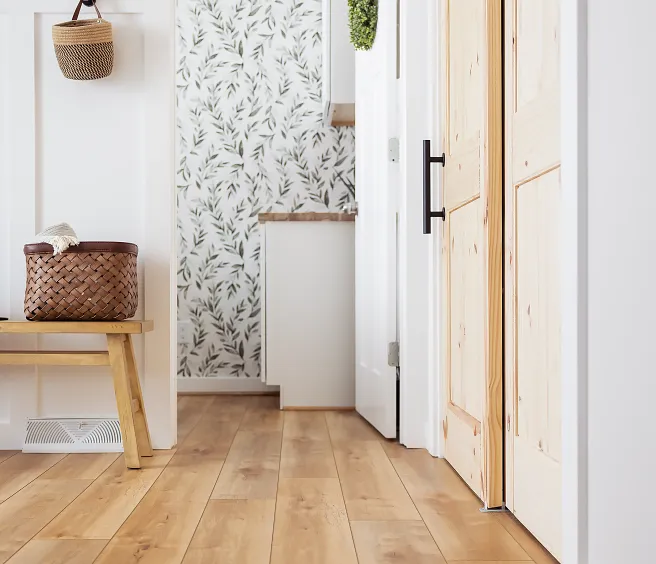
Allergy-friendly design is not only about removing things. It is about choosing materials you can realistically maintain without stripping the home of warmth and comfort. In Mount Kisco, many homeowners want a cleaner-feeling environment but still care deeply about design. They do not want rooms that feel bare, temporary, or clinical. Hard surfaces paired with maintainable area rugs can be an excellent answer because they let you keep softness where you want it while preserving a cleaning routine that is much easier to control.
Hard surfaces create a cleaner foundation
When dust, dander, and ordinary tracked-in debris stay on the surface instead of settling deep into permanent fibers, the room becomes easier to care for consistently. That is one of the main reasons hard-surface categories such as hardwood, tile, and even some resilient options are often part of allergy-conscious design conversations. They give homeowners more direct control over routine cleaning.
This does not mean every room must be rigid or minimalist. It means the foundation of the room works in your favor instead of quietly collecting what you would rather remove.
Rugs should be chosen for maintainability, not sentiment alone
A rug can still be the right design move, especially in living rooms and bedrooms where warmth and sound softening matter. The difference is that in an allergy-minded home, the rug should earn its place by being easier to clean. Low-pile constructions, washable options, flatweaves, and sizes that can be handled realistically are often better choices than plush styles that feel great but become maintenance-intensive quickly.
That is why Allen Carpet's area rug collection and area rug information are so useful. They let you choose rugs as functional design layers, not just decorative add-ons.
A beautiful room can still be a practical room
One of the best things about allergy-friendly design is that it often leads to cleaner, more intentional spaces. Rugs are placed where they matter most, not wall to wall out of habit. Hard surfaces create continuity and visual calm. Rooms feel layered but not cluttered. The result can actually look more elevated because every material has a clearer purpose.
This is especially helpful in homes where families want to reduce everyday cleaning friction. If the home feels easier to reset, it is more likely to stay that way.
Consider the full material palette, including finishes and ventilation
Flooring is only part of the picture. Low-fuss finishes, easy-to-clean textiles, and good ventilation habits all support the goal. If you are comparing whether any room in the home still calls for broader soft-surface coverage, Allen Carpet's carpet information can help you weigh the tradeoffs more clearly. The point is not to outlaw comfort. It is to place it thoughtfully.
In design terms, that means layering softness in removable pieces and choosing base materials that simplify care instead of complicating it.
Make the home work for the routine you can actually keep
A perfect maintenance plan on paper is not useful if no one will follow it. Allergy-friendly design succeeds when the materials align with a routine the household can maintain consistently. That may mean washable rugs in key spots, fewer decorative layers, and a hard-surface foundation that makes vacuuming and wiping down the room more straightforward.
If you want an allergy-conscious design plan that still feels warm and livable, compare Allen Carpet's hardwood flooring, tile options, and area rugs, or visit the Mount Kisco showroom. The best allergy-friendly home is not the one with the least style. It is the one whose materials support both beauty and maintainability.

