

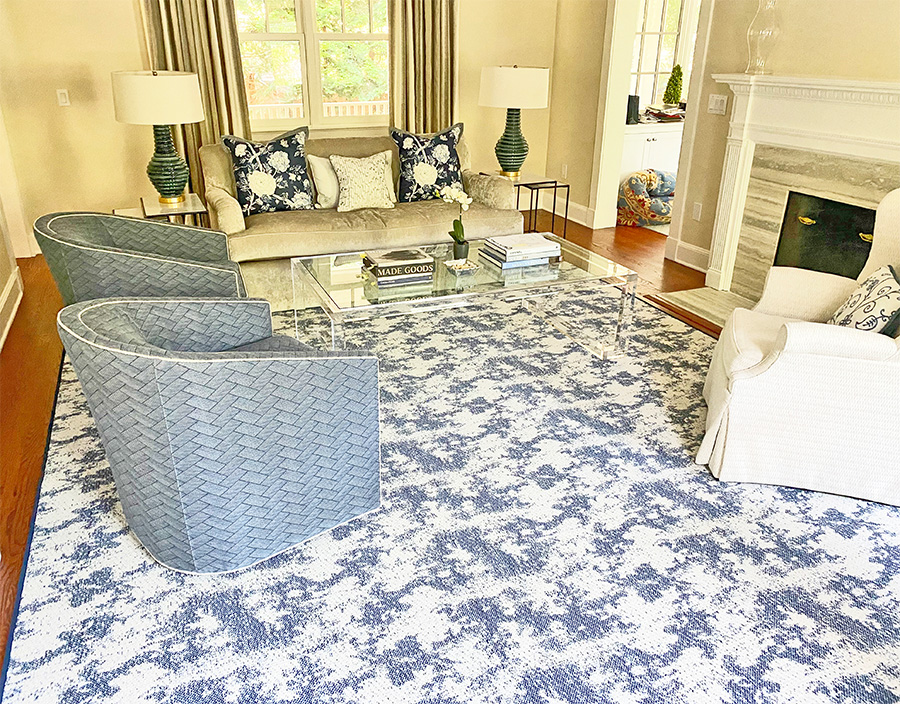
On a quiet street in Mount Kisco, a 1920s colonial with original oak floors can feel both grand and a little drafty. Homeowners often want more softness underfoot without hiding those beautiful planks. Layering area rugs over hardwood lets you add warmth, pattern, and comfort while still honoring the architecture that drew you to the house in the first place.
Below are practical, design-savvy ways to layer rugs in historic homes, with a focus on protecting hardwood and keeping each room period-appropriate yet current.
Start with a Solid Base to Protect Original Hardwood
Layering works best when you treat the first rug as a foundation. A large, neutral piece anchors the furniture and shields those older boards from daily wear, winter salt, and grit tracked in from Westchester streets.
A flatweave or low-pile wool rug makes an ideal base because it sits close to the floor and shows less tracking. If you want that timeless look that suits Tudor and colonial architecture, explore wool area rugs in soft, mineral tones or warm neutrals. They let your millwork and fireplaces stay center stage while quietly protecting the finish on your hardwood.
If you are still deciding how much of your floor to cover, the area rug buying guide walks through sizing and placement so you do not obscure the character details that make older homes special.
Add Patterned Layers for Character and Zoning
Once your base rug is down, bring in a second, smaller rug to add personality and define a seating or dining area. Historic homes often have quirky room shapes; layered rugs help you “draw” a more functional footprint without moving walls.
Traditional patterns complement plaster walls and original trim. A muted Persian-style piece over a solid base can make a living room feel collected rather than staged. For this look, many homeowners gravitate toward traditional area rugs that echo the era of their home without feeling like antiques.
In spaces where you have opened up rooms or added more contemporary furnishings, a bolder overlay still works. Clean-lined furniture pairs well with contemporary area rugs, especially when the base rug remains quiet. The contrast between old floors and modern pattern keeps the house from feeling like a museum.
Use Runners and Round Rugs in Transitional Spaces
Hallways, staircases, and foyers in older properties tend to be narrow and heavily trafficked. Layered rugs can soften these passages and visually connect one room to the next.
A long base runner with a shorter patterned runner on top creates dimension in a corridor and hides inevitable scuffs. If you want that same layered comfort on the stairs themselves, custom stair runners bring the rug story up through the home while adding safety on older treads.
Many Mount Kisco foyers open directly onto beautiful hardwood. Placing a subtly textured base rug and then centering a smaller piece over it works especially well if you like round area rugs beneath a chandelier or pedestal table. The double layer frames the entry and catches moisture before it reaches your floors during Hudson Valley snow and rain.
Coordinate Layers with Professional Design Help
Layering rugs successfully is as much about proportion and color as it is about pattern. You are juggling existing hardwood tones, natural light, and architectural details like paneled doors and built-ins. If you want every rug to feel intentional, Allen Carpet & Home offers interior design services that tie these elements together, from the living room in your Mount Kisco colonial to the upstairs bedrooms.
For inspiration on pairing specific rug styles with different hardwood species and finishes, the hardwood styles guide is a helpful reference before you finalize your palette.
Allen Carpet & Home has been helping Westchester homeowners layer rugs over hardwood with confidence, from village houses in Mount Kisco to apartments closer to Yonkers. If you are ready to plan your own layered look, you can schedule your free estimate and visit one of the showrooms to see textures and patterns in person.

