

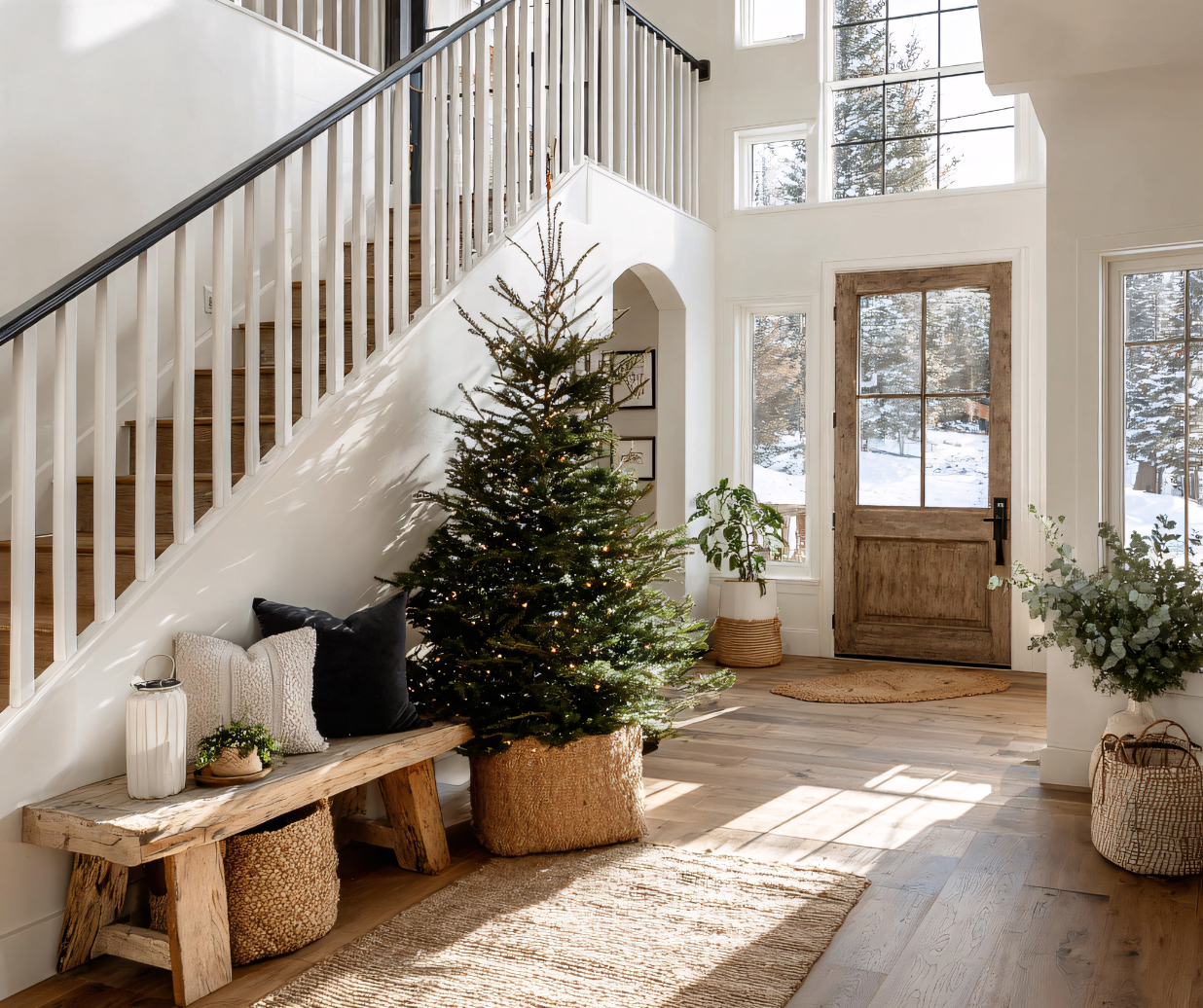
On a snowy January evening, guests step through your front door, shake off the slush, and walk straight toward the dining table you spent months choosing. In that moment, the foyer and dining room floors carry the full weight of first impressions — and in Westchester’s mix of historic colonials and modern renovations, those surfaces need to stand up to road salt, chair legs, and years of entertaining.
Choosing the right material for these two “public” rooms is part design, part durability, and part understanding how our Lower Hudson Valley climate treats wood.
Why Hardwood Still Sets the Tone
Dining rooms and foyers benefit from the warmth and permanence of wood. Solid planks suit many older homes, but the seasonal humidity swings in Westchester often make engineered hardwood a smarter choice, especially near exterior doors. Its layered construction helps control gapping in winter and cupping in humid summers.
Species also matters. Oak has the classic grain that feels at home in a 1920s Yonkers colonial, while walnut hardwood brings a deeper, more formal tone to a Mount Kisco dining room that hosts frequent dinner parties. If you’re still comparing options, the detailed hardwood flooring guide on Allen Carpet & Home’s site walks through construction, finishes, and performance in clear language.
For foyers, think about surface texture. Subtle distressing or wire-brushed hardwood hides tiny scratches from grit that sneaks in around doormats, while smooth planks look sleek but show wear more quickly in high-traffic entry spaces.
Laminate for Busy, Hard‑Working Households
Not every home wants genuine wood in the most demanding spots. Families in Mohegan Lake juggling kids, cleats, and endless drop-offs often look for something that shrugs off spills and impact. Modern waterproof laminate flooring gives you a convincing wood look in the foyer without the same sensitivity to moisture from melting snow or wet umbrellas.
In dining rooms where chairs move constantly, a quality Mohawk laminate resists surface scratching better than many site-finished hardwoods. You still want a felt pad on each chair leg, but the wear pattern over ten years can be more forgiving. If you’re weighing laminate against hardwood for these spaces, the concise laminate buying guide is helpful for understanding how each product is built and where it excels.
Protecting and Finishing the Look
No matter which core material you choose, protection is non‑negotiable in Westchester’s winters. In foyers, a generously sized mat just inside the door catches the worst of the salt and grit before it reaches your hardwood or laminate. Regular sweeping, followed by the techniques in Allen Carpet & Home’s hardwood cleaning guide, keeps fine particles from acting like sandpaper underfoot.
Design details complete the picture. A round table often feels more grounded over one of their round area rugs, which softens acoustics and makes a formal dining room feel more inviting. If your foyer opens directly to a staircase, custom stair runners can tie the entry and upper level together while adding grip on polished treads — an especially thoughtful touch in older Yonkers homes with steep stairs. For homeowners planning a fuller refresh, the in‑house interior design services team can help coordinate wood tones, rug patterns, and wall colors into a cohesive whole.
Bringing It All Together
Dining rooms and foyers work hardest in Westchester homes, yet they’re also the rooms guests see first. Hardwood brings timeless character, laminate offers practical toughness, and the right rugs and runners protect your investment while refining the look.
If you’re ready to compare samples in person, the teams in the Mohegan Lake and Yonkers showrooms can walk you through real-life installations and performance stories. To start planning on your schedule, you can get a free flooring estimate and connect with Allen Carpet & Home for tailored recommendations for your own home.

