

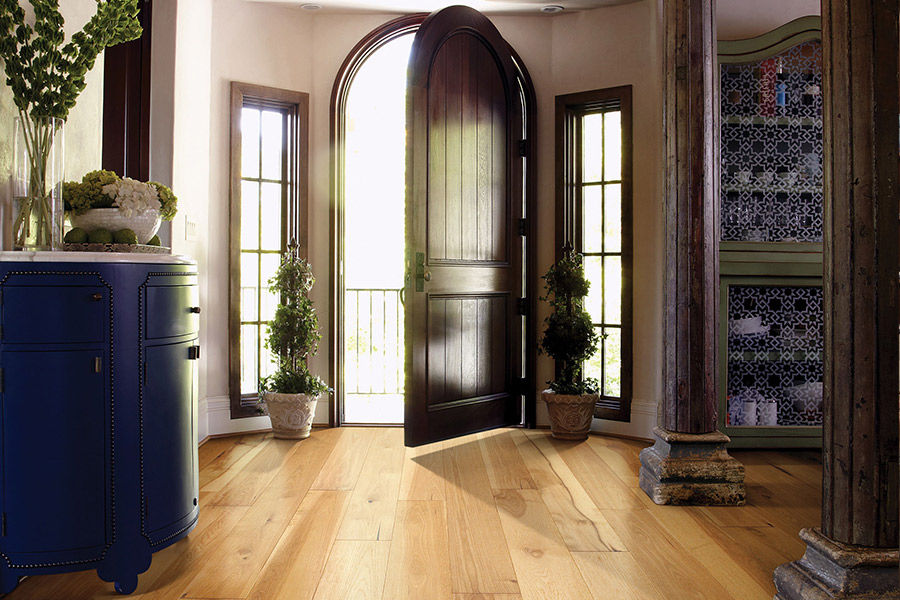
Your entryway tells the truth about your flooring faster than almost any other part of the home. In Yonkers, it has to deal with winter salt, slush dragged in from sidewalks, rain, grit, stroller wheels, pet paws, and the everyday rush of people coming and going. That combination is hard on any surface. So if your front door area constantly looks worn before the rest of the home does, the problem may not be your cleaning routine. It may be that the floor was never set up for what the space is asked to handle.
The goal is not just durability. It is damage control.
Entry flooring works best when it does three things at once: resists moisture, stands up to abrasion, and makes cleanup quick. Salt and grit are especially tough because they act like sandpaper underfoot. Slush adds moisture. Mud adds staining potential. When a floor is beautiful but fragile in the face of all that, the entry becomes a stress point instead of a welcome point.
That is why many homeowners compare tile flooring, luxury vinyl, and vinyl flooring first when refreshing an entry zone. These categories can offer the kind of resilience that busy front doors demand without sacrificing appearance.
Pick a surface that forgives real weather
Porcelain or ceramic tile is a classic entryway choice for good reason. It handles water well, cleans up easily, and can create a crisp transition from outdoors to indoors. Luxury vinyl is also compelling in entry areas because it offers strong moisture performance with a warmer feel underfoot and a wide range of wood- and stone-look visuals. Traditional vinyl can also make sense when budget, practicality, and ease of maintenance are the top priorities.
The best choice depends on the rest of the home and how the entry connects to adjacent rooms. If you want a defined landing zone, tile can create a purposeful threshold. If you want continuity with nearby living spaces, a high-performing luxury vinyl plank may be the more seamless answer.
Design the first few feet, not just the floor itself
Good entryway flooring is part product, part system. The surface works better when the first few feet of the room are designed intentionally. That can mean a weather-resistant mat outside, an absorbent mat inside, a tray for wet shoes, and enough breathing room for people to stop and wipe off before they cross into the rest of the house.
A runner can also help, but it has to be the right one. Thin or flimsy pieces can bunch up and create their own problem. Better to use a rug with a dependable pad or choose a surface that can do most of the heavy lifting on its own. If you want the entry to feel coordinated rather than improvised, it is helpful to browse Allen Carpet's project inspiration to see how practical landing zones can still look polished.
Color and texture should hide the season you are in
Entryway floors do not need to announce every footprint. Mid-tone colors, textured surfaces, and natural variation are often the most forgiving choices because they hide the small messes that happen between cleanings. Extremely dark, glossy, or highly uniform floors can be dramatic, but they tend to make debris more visible in a space that rarely stays pristine for long.
This is one of those rooms where livability should win. The floor should still look good at the end of a wet week, not only five minutes after mopping.
Think beyond winter while you are planning
Salt and slush may be the big winter villains, but entryways are year-round workhorses. Spring mud, summer dust, and fall leaves all hit the same zone. So choose a floor that supports the full calendar, not just the worst month. Easy maintenance, durable finish performance, and a smart transition into adjoining rooms matter just as much as winter resistance.
If your Yonkers entryway is tired of losing the battle against weather, start with materials built for that fight. Explore Allen Carpet's tile options, compare luxury vinyl and vinyl flooring, or visit the Yonkers showroom to build an entry plan that protects the rest of your home instead of passing the mess straight through it.

