

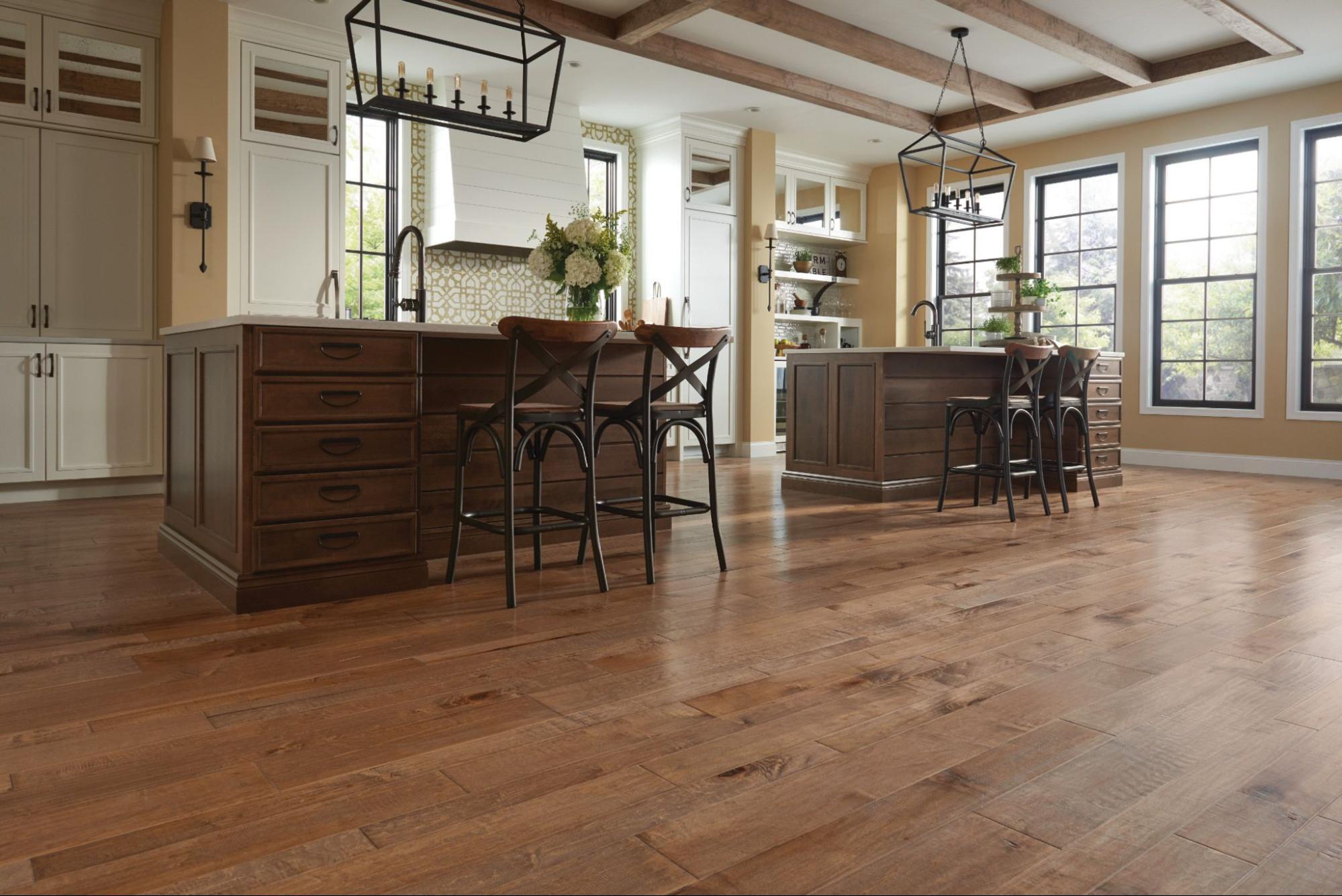
A couple in a 1950s split-level near Mohegan Lake finally picks the wide-plank oak they’ve wanted for years. The boxes arrive, the installer drops them in the living room, and a neighbor says, “You have to let those sit for two weeks or they’ll ruin your floors.” Suddenly, the excitement turns into anxiety.
Hardwood acclimation matters in Westchester’s climate, but much of what circulates on job sites and neighborhood Facebook groups is outdated or flat-out wrong. Sorting myth from fact helps you protect your investment and keep your project on schedule.
Myth 1: “All hardwood must acclimate for exactly 72 hours”
The most common myth is that there’s a magic number of days that works for every product, every home, every season. In reality, acclimation is about moisture balance, not a fixed timer. Some engineered products arrive already close to ideal conditions, while solid planks in winter may need more time.
Manufacturers specify target moisture content and acceptable ranges for their flooring. A good installer checks conditions against those guidelines instead of following a one-size-fits-all rule. If you want a deeper primer on how wood behaves and why moisture matters, the hardwood flooring guide is a solid starting point before you finalize a product.
Myth 2: “Just dropping boxes in the room is enough”
Acclimation is not simply stacking cartons in the corner and hoping for the best. For many products, the packaging slows moisture exchange. Depending on the manufacturer’s instructions, boxes may need to be opened, cross-stacked, or even partially unwrapped so air can circulate around each plank.
Installers who work in Westchester every day understand how our dry, heated winters and humid summers affect wood movement. The team at Allen Carpet & Home uses those local conditions, along with the manufacturer specs, to decide how to stage engineered hardwood versus traditional solid boards so they stabilize correctly before installation.
Myth 3: “More acclimation time is always safer”
Homeowners in Yonkers sometimes hear that “you can’t over-acclimate,” so they let material sit for weeks in a damp basement or a house that’s still under construction. That can be just as damaging as installing too soon. Wood that soaks up excess humidity will later shrink, gap, or even crack once the HVAC is running normally.
Proper acclimation happens under lived-in conditions: HVAC on, windows closed, and humidity kept within the range the manufacturer recommends. Westchester’s seasonal swings make that especially important. The detailed checklist in the hardwood installation prep resource explains how to get your home ready so acclimation happens under the right conditions, not in a half-finished space.
Myth 4: “Engineered hardwood doesn’t need acclimation at all”
Engineered construction is more stable than solid, which makes it a smart choice for areas like Mount Kisco basements or rooms over concrete. That stability leads to another myth: that you can pull it from the truck and install immediately, regardless of conditions. Even engineered planks still contain real wood and respond to temperature and humidity.
Most manufacturers still require engineered products to reach a similar moisture level as the subfloor, just often in a shorter timeframe than solid. Browsing different oak flooring options is useful, but pairing those choices with correct site preparation is what prevents cupping and gapping down the line.
Myth 5: “If it squeaks or gaps, acclimation was the only problem”
Acclimation is one piece of a larger puzzle. Subfloor moisture, installation method, fastener type, and even daily maintenance all contribute to how a hardwood floor behaves. For example, if winter road salt and melted snow regularly sit on an entryway, boards may swell at the surface regardless of how carefully they were acclimated.
Long-term performance depends on care after installation as well. Following a consistent routine from the hardwood cleaning guide helps keep finishes intact and reduces the moisture swings that stress the boards.
Hardwood acclimation doesn’t need to be mysterious, and you don’t have to navigate conflicting advice alone. The specialists at our Mohegan Lake showroom, along with the teams in Yonkers and Mount Kisco, plan every project around Westchester’s climate and your specific home. If you’re ready to move past myths and get expert guidance on your new floors, you can get a free flooring estimate and start planning with Allen Carpet & Home.

