
On a Saturday morning, a couple walks through a sunlit pre-war apartment, admiring the original plaster ceilings and steel casement windows—and then glancing down at the floors. In one room, the oak is worn thin; in another, a previous owner floated laminate over creaky boards. Deciding what to keep, what to replace, and how to respect the building’s character is a familiar puzzle in these older Yonkers buildings.
This comparison walks through how hardwood and laminate really perform in pre-war apartments, so you can choose confidently instead of guessing.
How Pre-War Buildings Shape Your Flooring Choices
Pre-war apartments often have uneven subfloors, layered materials from past renovations, and strict noise requirements from co‑op or condo boards. That structure matters more than most people realize.
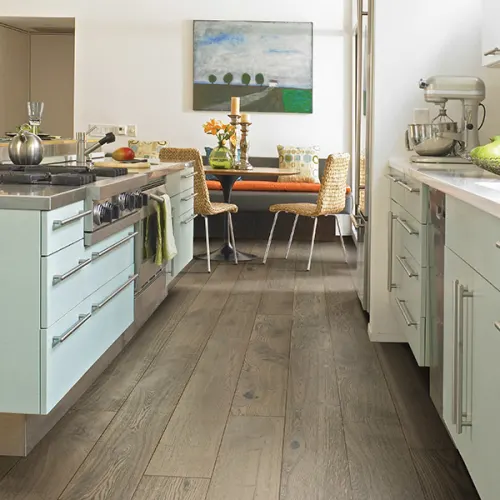
Solid hardwood feels authentic in these spaces, but it needs a stable, flat base. Many owners choose engineered hardwood because its layered construction handles minor movement and seasonal humidity swings better than solid planks, especially over older subfloors. A good installer can also weave new boards into existing rooms so the upgrade looks original to the building.
Laminate, especially modern wood-look laminate, floats over the subfloor, which helps when you’re dealing with old patchwork surfaces. Underlayment can add sound control, an important detail if your building has rules about impact noise from hard surfaces.
For a deeper dive into structure, finishes, and long-term performance, the hardwood flooring guide on the Allen Carpet & Home site is a helpful primer before you commit.
Daily Life: Noise, Pets, and Maintenance
In a multi-story building, your flooring choice affects both your household and your downstairs neighbor. Hardwood has a satisfying, solid feel underfoot, but it transmits impact sound unless you pair it with high-quality underlayment and area rugs. Many owners add rugs in living rooms and bedrooms, then tie in custom stair runners on shared or duplex staircases to soften noise and improve safety without losing that classic wood look.
Laminate tends to be slightly louder underfoot, but modern products paired with acoustic underlayment can still meet many building sound requirements. Scratch resistance is typically stronger with laminate, which appeals to pet owners or busy households who don’t want to worry about claw marks on every step.
Cleaning and care is another dividing line. Properly finished hardwood handles daily life well, but it rewards consistent, gentle maintenance. The hardwood cleaning guide explains how to protect the finish without over-wetting the boards—especially important in the dry winters and humid summers of the Lower Hudson Valley. Laminate prefers dry methods and damp mopping with the right products; standing water is its main enemy.
Moisture, Radiators, and Hudson Valley Seasons
Those big cast-iron radiators and steam pipes that give pre-war apartments their charm also create dramatic humidity swings. In winter, dry heated air can cause hardwood to contract slightly; in summer, humidity makes it expand. Engineered planks are designed to manage that movement more gracefully than solid boards, which is why many Westchester homeowners lean toward them in older buildings.
Laminate reacts differently. Quality waterproof laminate flooring is highly resistant to surface spills and everyday moisture, which is reassuring in kitchens or near exterior doors where snow and road salt get tracked inside. It still needs a reasonably dry, well-prepared substrate, but it won’t cup or crown the way wood can if a spill is wiped up promptly.
If you’re trying to coordinate floors across several rooms in a pre-war layout—perhaps hardwood in the living spaces and another material in the kitchen—Allen Carpet & Home also offers interior design services that can help you balance authenticity, durability, and color flow throughout the apartment.
Value, Character, and Where Each Material Makes Sense
For many buyers, genuine wood floors are part of the appeal of an older building. Quality oak flooring options align with that expectation and can support resale value, especially in prominent rooms like living and dining areas. Laminate shines where budget, board rules, or existing conditions make full tear-outs impractical, or in secondary spaces where you want the look of wood without the same level of investment.
If you’d like help sorting out what will work best in your own pre-war apartment, you can talk through real samples and subfloor conditions at the Yonkers showroom or explore ideas at the nearby Mount Kisco location. When you’re ready for tailored guidance at home, you can schedule your free estimate and have an Allen Carpet & Home specialist walk you through hardwood and laminate options that respect your building’s character and your daily life.

