
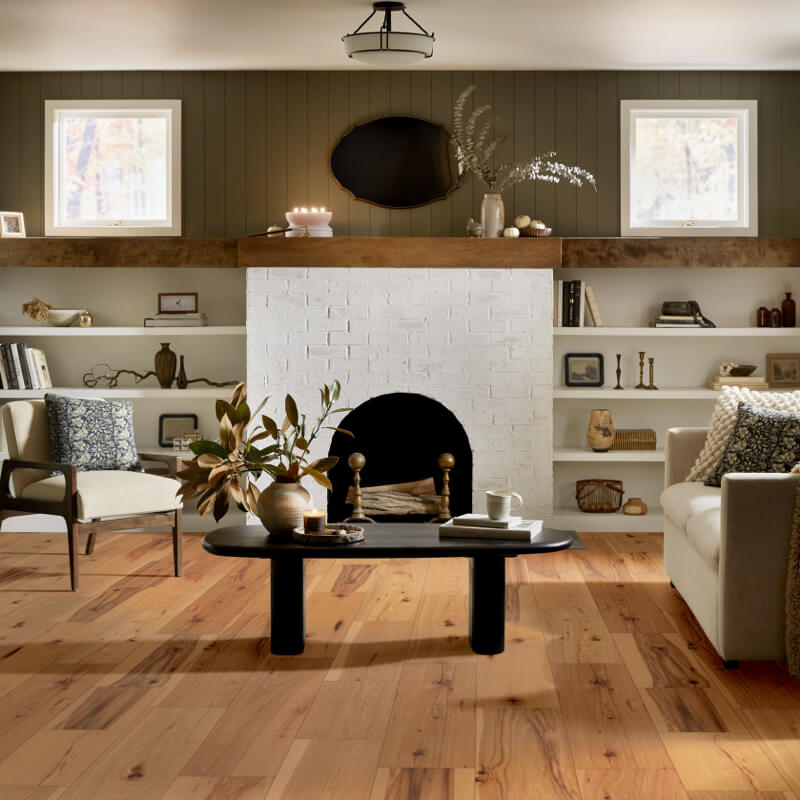
Open layouts are wonderful until everything starts to feel like one long, undefined room. In many Yonkers homes and apartments, the kitchen, dining space, and living area share visual space even if they serve very different functions. That is where one thoughtfully chosen area rug can do a surprising amount of design work. It can anchor furniture, create order without adding walls, and help the living zone feel complete instead of floating beside everything else.
Think of the rug as a visual boundary, not just decor
In an open room, the rug tells your eye where one activity begins and another ends. It is the difference between a sofa and chairs that look temporarily placed and a seating zone that feels intentionally designed. The trick is to size the rug around the furniture grouping, not around the leftover empty floor. In most living zones, the front legs of the main upholstered pieces should sit on the rug. That makes the grouping feel connected and gives the room a stronger center.
If you browse area rug styles with that idea in mind, you stop asking "What size rug fits this room?" and start asking "What size rug defines this zone?" That small shift leads to better choices.
One good rug is better than two too-small ones
A lot of homeowners try to solve an open layout with several undersized rugs. The result can feel choppy. If your main goal is to create a clear living-room zone, one properly scaled rug usually works better than multiple small pieces competing for attention. It helps the room breathe and makes the layout feel calmer.
This is especially important in apartments and condos, where visual clutter can make the entire space feel smaller. A larger rug under the seating group can actually make the room look more expansive because it reinforces the scale of the arrangement. Small rugs often do the opposite, breaking the room into fragments.
Color and pattern should support the room's flow
The rug that defines your living zone should not fight with the rest of the open layout. It should relate to the adjacent finishes, whether that means echoing a warm wood tone, picking up cabinet colors, or introducing just enough pattern to keep the space from feeling flat. In open layouts, subtle coordination usually looks more sophisticated than an unrelated statement piece.
That does not mean boring. It means intentional. A patterned rug can be perfect for a high-traffic area because it adds personality and hides day-to-day wear. A more tonal rug can work beautifully if you want furniture and artwork to lead. Allen Carpet's area rug information is helpful if you are trying to balance style with material performance.
Remember the practical side of open living
Open plans also carry sound. A rug can soften the acoustic edge of a large room and make the living area feel more comfortable. It can also guide traffic by showing where the walkway is and where the lounging area begins. That matters more than people realize. A room feels better when circulation is clear and no one is constantly clipping the rug edge or navigating around a too-tight layout.
Before buying, map the rug with tape on the floor and make sure it does not interfere with nearby dining chairs, door swings, or a kitchen pathway. In open layouts, a great rug is not one that fills space indiscriminately. It is one that improves flow.
Let the room tell you where the zone belongs
Sometimes the smartest move is not centering the rug in the room at all. It is centering the rug under the actual activity area. That might mean aligning it more closely with the sofa wall, fireplace, or media unit rather than the room's outer boundaries. This is where in-person advice pays off. At the Yonkers showroom, you can compare sizes and materials with your room dimensions in mind instead of relying on guesswork.
One great area rug can turn an open layout from "unfinished" to "effortlessly organized." If you want help finding the size and style that defines your space without cluttering it, explore Allen Carpet's area rug collection, learn more in the area rug resource section, or visit the Yonkers location for guidance that helps the whole room make sense.

