

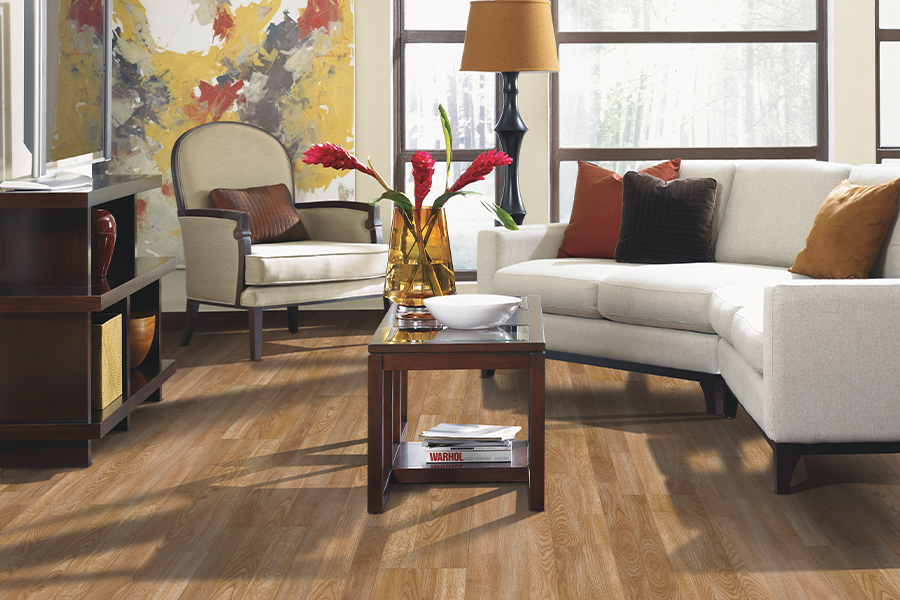
A lot of Yonkers homeowners call after opening up a wall or finishing an extra room and realizing the new hardwood needs to look like it has always been there. Matching floors in a pre-war colonial or a Central Park Avenue condo is part detective work, part craftsmanship. Done well, guests will never know where the original boards end and the new ones begin.
Step 1: Identify What You Already Have
Start by studying the existing floor as if you were appraising a piece of furniture. Look at three things: species, stain color, and board size. Most Westchester homes have oak, but grain patterns can hint at maple or even walnut. Board width and the presence of bevels also matter, because a 2¼" strip floor reads very differently from modern wide planks.
If you want to understand how different species, constructions, and finishes behave over time, the hardwood flooring guide on the Allen Carpet & Home site is a useful reference before you make decisions. It explains why an older solid oak floor in Yonkers will react to humidity swings differently than newer engineered products.
Step 2: Decide Between Sanding to Match or Selecting a Close Cousin
Once you know what you have, the next question is strategy. In many homes, the most seamless solution is to lace in unfinished boards and sand the entire connected area so everything receives the same stain and finish. That approach works particularly well in traditional layouts where living, dining, and halls flow together.
In other situations—say you are adding a garden-level family room or updating just a bedroom—it can be smarter to choose engineered hardwood that closely echoes the tone and grain of the existing floor without trying to copy it perfectly. Engineered construction handles the Lower Hudson Valley’s humidity swings better in partially below-grade or sun-exposed spaces, which protects the investment over time.
Step 3: Plan Transitions and Direction with the Whole House in Mind
Matching floors is not just about color. Board direction, thresholds, and light all affect how continuous a space feels. Running the new floor in the same direction as the existing boards helps a Yonkers railroad-style apartment feel longer and more unified. In a side-hall colonial, turning the boards to follow the main traffic path can actually look more intentional, even if the stain is a hair off.
If you are exploring different widths and finishes, browsing oak flooring options is helpful to see how subtle shifts in tone can either blend in or create a gentle transition between old and new. For projects that extend onto staircases, many homeowners use custom stair runners to visually bridge minor differences between floors while adding safety and sound control.
Step 4: Coordinate Finishes with the Rest of the Room
Expanding hardwood is often part of a bigger update—new paint, furniture, or a kitchen renovation. Small changes in floor color can dramatically affect how cabinets, built-ins, and rugs read in the space. Working with interior design services through Allen Carpet & Home helps tie your existing rooms and new addition together, especially in Mount Kisco or Mohegan Lake homes where open-plan spaces put everything on display.
Once the extension is complete, a solid maintenance routine keeps old and new boards aging at the same pace. The practical tips in the hardwood cleaning guide cover day-to-day care and seasonal adjustments that matter in Westchester’s dry winters and humid summers.
Planning a hardwood extension is easier with experts who work on Westchester homes every day. Visit our Yonkers showroom or stop into our Mohegan Lake showroom to see options in person, then schedule your free estimate to have Allen Carpet & Home measure, plan, and install a floor that looks like it has always belonged in your home.

