
When a homeowner in Mount Kisco begins planning the renovation of their 1920s colonial, they rarely start with the word "sustainability." They start with warmth. With grain. With the way morning light moves across floorboards that have carried a century of footsteps. But more and more, those two priorities — beauty and environmental responsibility — are converging in the hardwood flooring decisions Westchester families make.
Why Sustainable Hardwood Matters
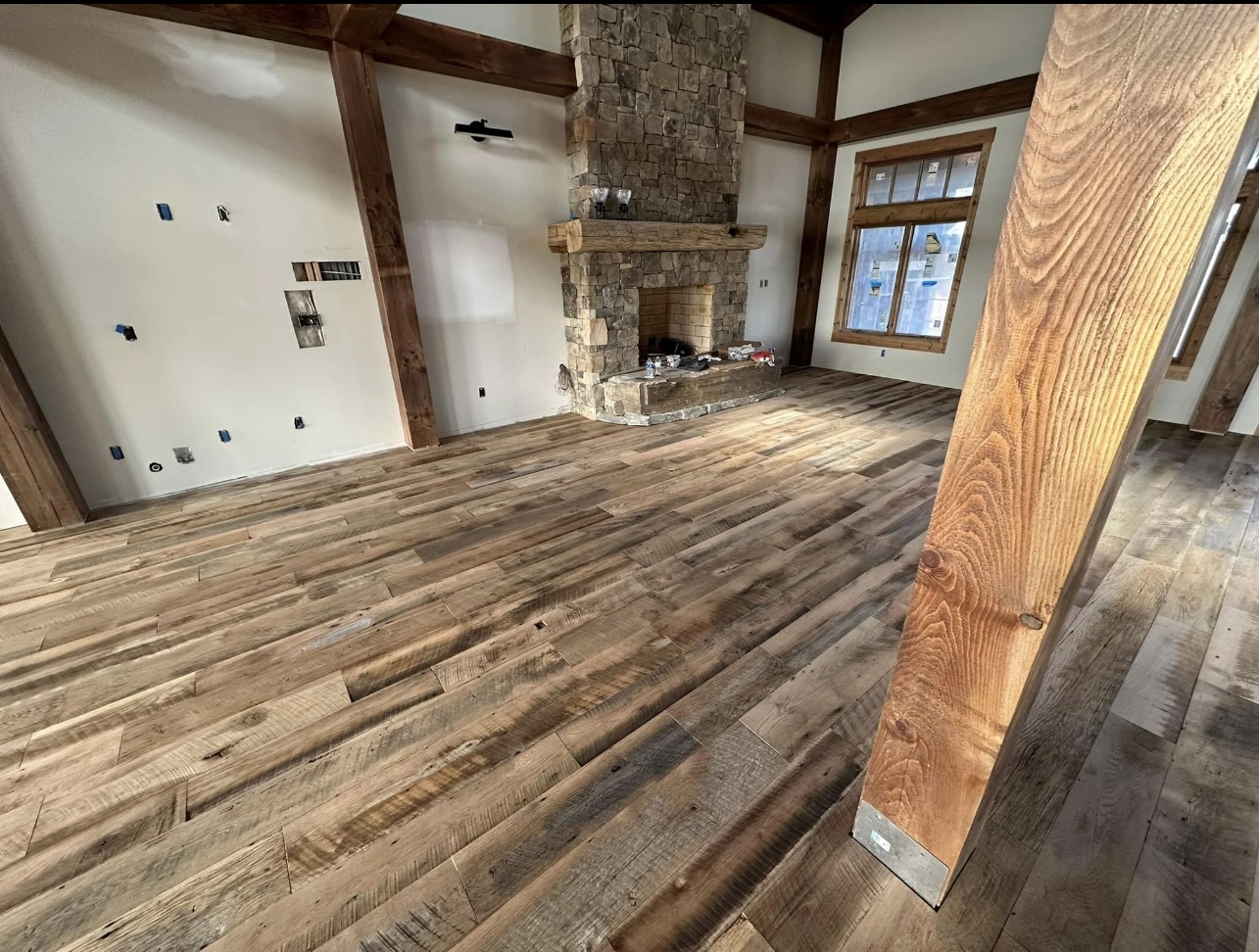
The conversation around sustainable hardwood has shifted substantially in the last decade. It is no longer about choosing between quality and conscience. Responsibly harvested wood — whether sourced from FSC-certified forests or reclaimed from old barns, factories, and dismantled structures — can match or exceed the character of first-growth timber. Reclaimed oak, for instance, often carries a depth of patina and a density that newly milled planks simply cannot replicate.
For homeowners in this region, the appeal runs deeper than aesthetics. The county's architectural heritage is built on wood. Restoring a pre-war home with materials that share its era creates a coherence that new-growth lumber sometimes lacks. And on the practical side, understanding hardwood flooring — from species selection to construction method — helps buyers recognize which sustainable options will actually perform through the Hudson Valley's demanding seasonal shifts.
Reclaimed Wood and Historic Architecture
There is a natural fit between reclaimed hardwood and the older housing stock that defines so many neighborhoods across the county. Pre-war colonials with original millwork, Tudors with hand-hewn beams, Victorians with wide-plank pine subfloors — these homes were built when old-growth timber was the standard. Laying down reclaimed wood in a century-old house means matching the scale and texture already present in the architecture.
Beyond the aesthetic match, reclaimed flooring sidesteps the environmental costs of harvesting new timber entirely. Each board has already lived one life — as a beam in a Pennsylvania dairy barn or as flooring in a decommissioned textile mill. The nail holes, saw marks, and mineral staining that come with that history are not defects. They are the material's biography, lending a room an authenticity that factory-distressed products can only approximate.
For homeowners drawn to this character-rich look, wide-plank hardwood in reclaimed species like oak or chestnut creates the kind of presence that feels rooted and intentional — a quality especially valued in the formal living and dining spaces that anchor so many of the region's homes.
Engineered Hardwood: Less Material, More Stability
Not every sustainable flooring decision involves reclaimed wood. Engineered hardwood — which uses a thin veneer of premium species bonded to a multi-ply core — represents a different kind of environmental calculation. The wear layer uses a fraction of the slow-growth timber that solid planks require, while the core layers are typically fast-growing, readily renewable species.
That construction also solves a practical climate problem. The humidity swings that define Lower Hudson Valley weather — dry indoor air in January, saturated outdoor air in August — cause solid hardwood to expand and contract significantly. Engineered flooring's cross-grain stability means it handles those fluctuations with far less movement. Homeowners weighing their options can explore the full range of hardwood styles to see how engineered and reclaimed offerings compare in both appearance and real-world performance.
A Floor Worth Keeping
Sustainability in flooring is ultimately about longevity. A floor that lasts a century — whether reclaimed from a barn or engineered for dimensional stability — displaces multiple rounds of replacement materials over the life of a home. That is the quiet advantage of hardwood: it does not end up in a landfill after fifteen years.
Allen Carpet & Home works with homeowners throughout Westchester County to find flooring that aligns with both their design vision and their values. Visit the showroom in Mohegan Lake to see reclaimed and sustainably sourced hardwood samples in person, or schedule a free estimate and a member of the team will come to your home to discuss what's possible.

