
Hardwood floors rarely stay at the same point in their life for very long. One Yonkers homeowner may be looking at a floor with light surface wear that simply needs a refresh. Another may be dealing with deep staining, damaged boards, layout changes, or years of patchwork repairs that never quite matched. That is why "refinish or replace" is not a generic question. It is a diagnosis. The better you understand the condition of the floor and the goal for the room, the easier the answer becomes.
Refinishing makes sense when the floor still has good bones
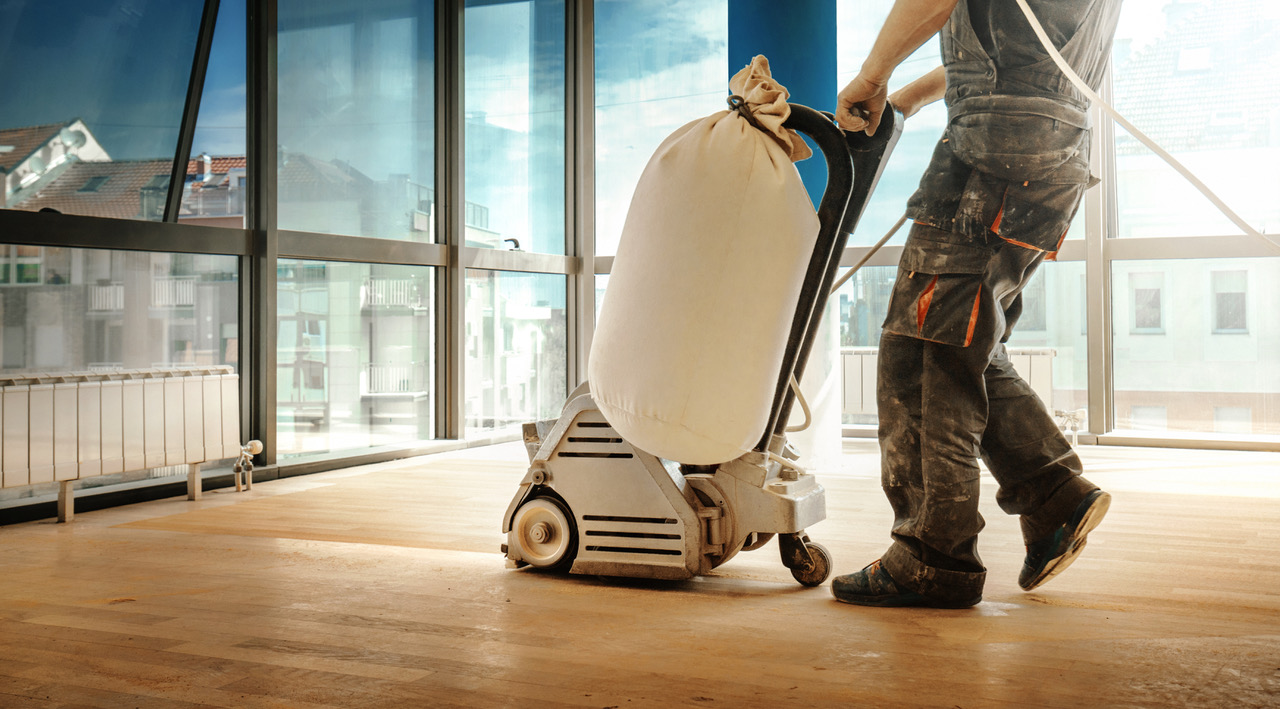
If the hardwood is structurally sound, lies flat, and mostly suffers from surface-level issues like dullness, light scratches, worn finish, or outdated sheen, refinishing is often the smarter move. It allows you to keep the existing floor while dramatically improving how it looks. For many homeowners, that is appealing because the home keeps its original material and the update feels meaningful without starting from zero.
Refinishing can also be an excellent option before listing a home or after moving in, especially when the layout already works and the floor simply looks tired. A new stain is not always necessary either. Sometimes shifting from a shinier surface to a more forgiving matte or satin finish is the change that makes the floor feel current again.
Replacement is better when the problem is deeper than the finish
There are times when refinishing is not the best investment. If the floor has major water damage, severe cupping, large missing sections, extensive pet staining that has penetrated deeply, or multiple species and patch repairs that no longer align, replacement may make more sense. The same is true when you want to change the width, species, or overall design direction in a way refinishing cannot deliver.
Replacement can also solve practical issues. If you are opening rooms, changing adjacent flooring, or reworking transitions throughout the main level, starting fresh may create a cleaner and more cohesive result. In that situation, browsing Allen Carpet's hardwood flooring options is often the right first step because you are no longer preserving a floor. You are rethinking it.
Think about disruption, not just material cost
Homeowners sometimes compare refinishing and replacement only by price per square foot, but disruption matters too. Refinishing may preserve the floor, but it can still require furniture logistics, access planning, and time for the finish to cure. Replacement is a bigger material decision, yet it can be the cleaner route when the subfloor, board condition, or overall design plan already points that way.
That is why the most useful conversations happen around the entire project, not one line item. What condition is the current floor in? What rooms are involved? Are you trying to preserve character, simplify maintenance, improve resale appeal, or create a better whole-house flow? Those answers shape the right recommendation.
The finish update may be the real goal
Sometimes homeowners say they want new floors when what they really want is a new look. If the floor itself is viable, refinishing can be the bridge between an outdated style and a more modern one. A red-toned wood can feel calmer with a more neutral stain. A glossy finish can become far more livable when moved to a lower sheen. Even keeping the same color but renewing the surface can make the room feel cleaner and more intentional.
Looking through project inspiration can help separate what is a condition problem from what is really a style problem. Many floors that seem "too far gone" are actually just visually dated.
Get a professional opinion before you decide emotionally
Floors carry a lot of visual weight, so homeowners often decide from frustration. But hardwood should be evaluated with clear eyes. A professional assessment can tell you whether the floor has enough life left to justify refinishing, whether selective board replacement is possible, or whether full replacement is the wiser use of budget.
If your Yonkers hardwood is making you wonder whether to save it or start over, compare your options with Allen Carpet's hardwood collection, look through real project examples, and request a free estimate. The right answer is the one that matches the floor's condition and your long-term plan, not just the first impulse.

