

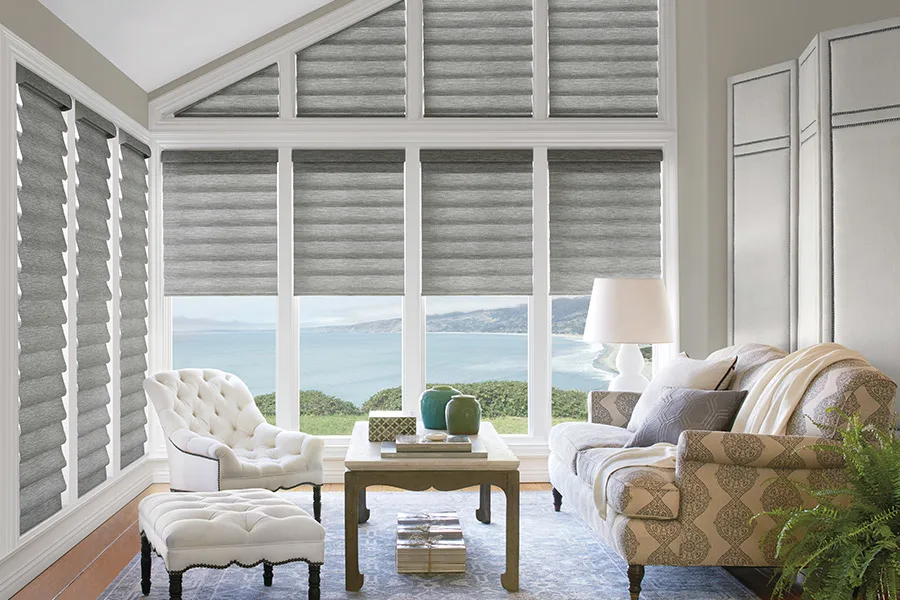
Three-season rooms and sunrooms are some of the most enjoyable spaces in a home because they sit between indoors and outdoors. They also happen to be some of the hardest rooms to floor well. In Mount Kisco, these spaces can experience strong sunlight, fluctuating temperatures, changing humidity, and the kind of seasonal use that puts unusual demands on a surface. A floor that works beautifully in the main living area may not be the right fit here. The best sunroom floor begins with one question: can it handle change?
Sunrooms challenge materials in ways other rooms do not
A room with big windows and seasonal temperature swings asks more of a floor than a climate-stable interior space. Heat can build up. Cold can settle in. Moisture may enter from outside more easily. Furniture gets moved in and out. Plants may bring extra water into the room. If a material is sensitive to those shifts, the room will expose it over time.
That is why many homeowners compare tile flooring, luxury vinyl, and vinyl flooring first when planning a three-season or sunroom update. These categories can offer the kind of practical resilience that temperature-variable spaces often need.
Choose a surface that fits how enclosed the room really is
Not every sunroom functions the same way. Some are nearly full extensions of the interior and remain relatively controlled. Others behave much closer to semi-conditioned space. The flooring choice should reflect that. A room with frequent exposure to outdoor-style swings often benefits from materials that do not rely on highly stable interior conditions. A more protected sunroom may allow a broader range of options, but the room still deserves a product chosen with care rather than assumption.
This is where honest evaluation matters more than wishful styling. A floor is only a good choice if it fits the real room, not the version of the room you imagine in perfect weather.
Design should respond to light as well as performance
Sunrooms are all about light, which means the floor will be heavily visible throughout the day. That can be an advantage. A well-chosen tile or wood-look resilient floor can make the room feel airy, expansive, and strongly connected to the outdoors. Lighter or mid-tone surfaces often help maintain that brightness, while overly dark choices can absorb the very openness people love about these spaces.
Texture and slip resistance matter too, especially if the room sees wet feet, plant watering, or direct access from outdoors. This is one of those rooms where beautiful and practical should not be treated as competing goals.
Warmth can be layered in afterward
Some homeowners avoid the most practical flooring choice because they worry it will make the room feel cold. In reality, warmth in a sunroom often comes from furnishings, textiles, and targeted rugs rather than from forcing a more vulnerable floor into the space. A smart hard surface plus a movable rug usually creates a more flexible, maintainable room than a floor selected purely for softness.
That layered approach also makes seasonal changes easier. You can adjust comfort and style without asking the permanent floor to do every job.
Treat the room as its own environment
The biggest mistake in sunroom design is treating it like just another interior room. It is not. It has its own climate logic, its own light, and its own performance demands. The best flooring plan respects that and creates a room that feels good because it was designed honestly.
If you are updating a three-season room or sunroom in Mount Kisco, compare Allen Carpet's tile flooring, luxury vinyl options, and vinyl flooring, then request a free estimate. The right floor will let the room do what it does best - bring the outside in - without asking the material to pretend the outside is not there.

