

You've picked out the new floors. Maybe it's wide-plank oak for the living room or a durable laminate for the basement the kids have taken over. But before a single new board goes down, someone has to deal with what's already there. If you're a homeowner in Westchester staring at wall-to-wall carpet from the eighties or original tile that's seen better decades, knowing what the removal process actually involves can spare you surprises — and budget shock — once the work begins.
The Scope of the Job Depends on What's Underfoot
Different flooring materials demand different removal approaches, and the labor — and mess — scale accordingly. Carpet and its padding come up quickly, though the real time sink is pulling hundreds of tack strips and staples embedded in the subfloor. Sheet vinyl often hides a secondary layer of luan plywood stapled underneath, and both layers need to go before the subfloor is usable again. Ceramic or porcelain tile means heavy debris, intense dust from chipping mortar, and a real possibility of subfloor damage that needs patching afterward. Original hardwood — found throughout the county's older homes — may be salvageable if the boards still have enough thickness for refinishing. If not, pulling it means prying up hundreds of nailed-down strips, one at a time.
Surprises That Old Floors Tend to Hide
Removing old flooring routinely uncovers problems nobody planned for. Water damage from a decades-old refrigerator leak that seeped under the vinyl. Subfloor sections needing replacement because years of movement loosened the fasteners. In homes built before the 1980s — common in Yonkers' pre-war apartment buildings and historic properties throughout the Lower Hudson Valley — vinyl flooring or its adhesive may contain asbestos, which requires professional abatement before any other work proceeds. Perhaps the most common surprise: discovering multiple layers of flooring stacked like geological strata, each one adding height that complicates door clearances and transitions to adjacent rooms. A thorough installer identifies most of these issues during the initial measurement visit, but setting aside 10–15% above the base quote for what the old floor may reveal is a prudent move.
What Demo Day Actually Looks Like
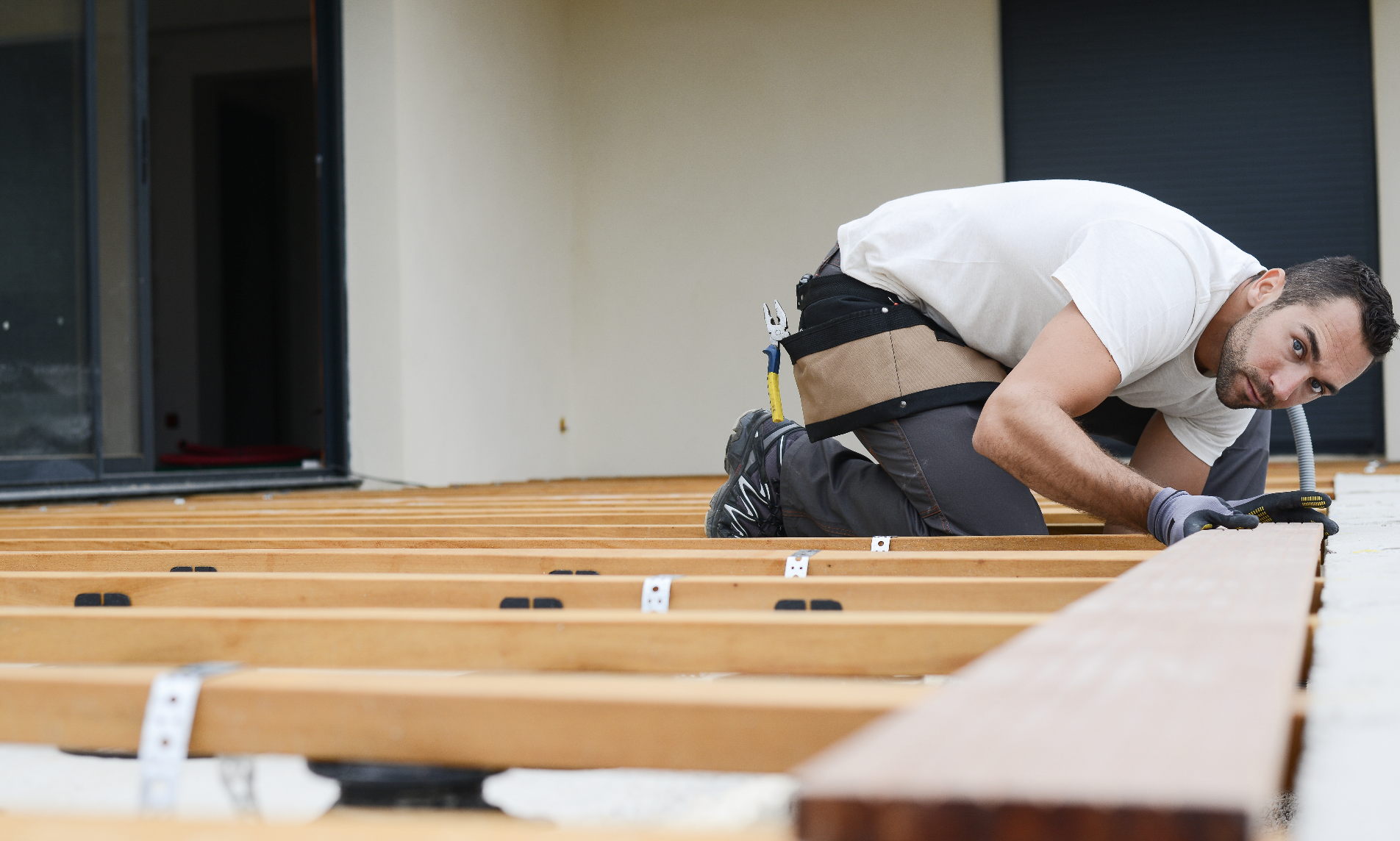
If you are living in the home during the work, prepare for noise and dust. The crew will seal off the work area with plastic sheeting to contain airborne particles, but some fine dust inevitably travels. Expect heavy foot traffic in and out as debris gets carried to the dumpster. Most residential tear-outs finish in a day, though tile removal or multiple rooms can stretch the timeline. Installers will cut flooring flush at door casings and baseboards unless those are being replaced too. Furnishings, electronics, and anything fragile should already be out of the room — ideally moved to a different floor of the house. Before any new material can go down, the subfloor must be clean, flat, and dry. Our guide to preparing for hardwood installation covers the standards your installer should meet before laying the first board, including moisture testing, flatness tolerances, and acclimation requirements for the new material.
Choosing What Goes In After the Old Comes Out
Once the subfloor passes inspection, the decisions shift from demolition to design. This is the moment to reassess your original choice. Engineered hardwood, with its cross-ply construction, handles Westchester's seasonal humidity swings with less expansion and contraction than solid wood, making it suitable for kitchens, finished basements, and rooms where climate control varies. Homeowners weighing practical alternatives often compare it against laminate flooring, which delivers realistic wood visuals with enhanced scratch and moisture resistance at a more accessible price point. Both options represent a significant upgrade from whatever just came out of the room — and knowing the subfloor beneath them is sound gives you confidence the new floor will perform for decades.
At Allen Carpet & Home, we walk every customer through the full process, from that first measurement visit through demo day and final installation. Visit our showrooms in Mohegan Lake, Yonkers, or Mount Kisco to explore materials in person, or schedule a free estimate and let us take it from there.

