

-
7 min read
Heated Tile Floors: How Radiant Heat Works
How electric radiant heat works under tile: why tile and stone conduct heat best, the floor build-up at thresholds, the GFCI code rule, and where it pays off.
How electric radiant heat works under tile: why tile and stone conduct heat best, the floor build-up at thresholds, the GFCI code rule, and where it pays off.

A tile's wet DCOF rating decides if it's safe underfoot. Learn the 0.42 standard, how finish and texture change it, and what to look for in each wet room.

Marble and travertine are calcium carbonate, so acid etches them; slate is a silicate with its own rules. A stone-by-stone floor care and sealing guide.
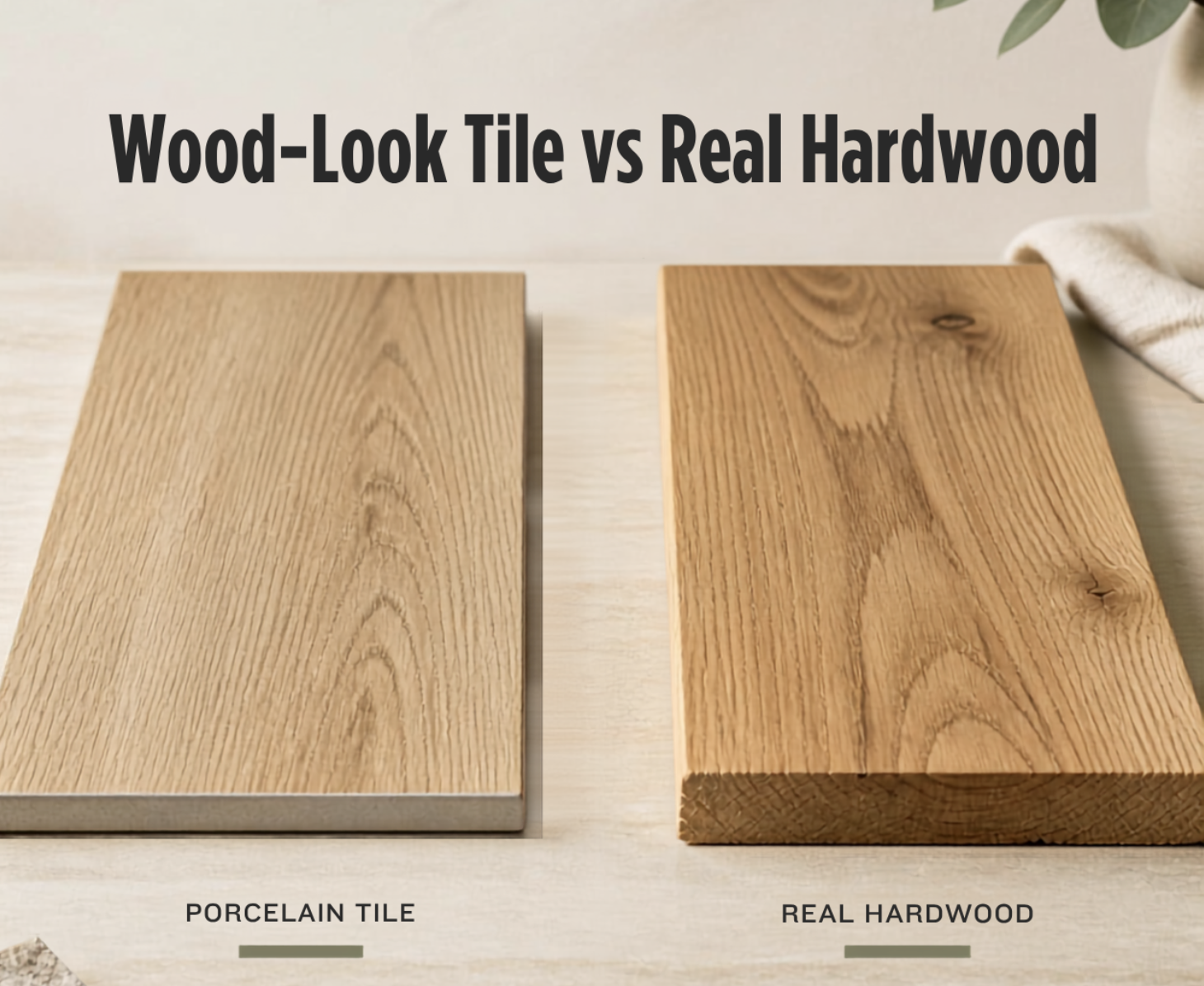
Wood-look porcelain tile vs. hardwood, compared on the standards that matter: water absorption, PEI wear, refinishing, and resale value. Here's how to choose.
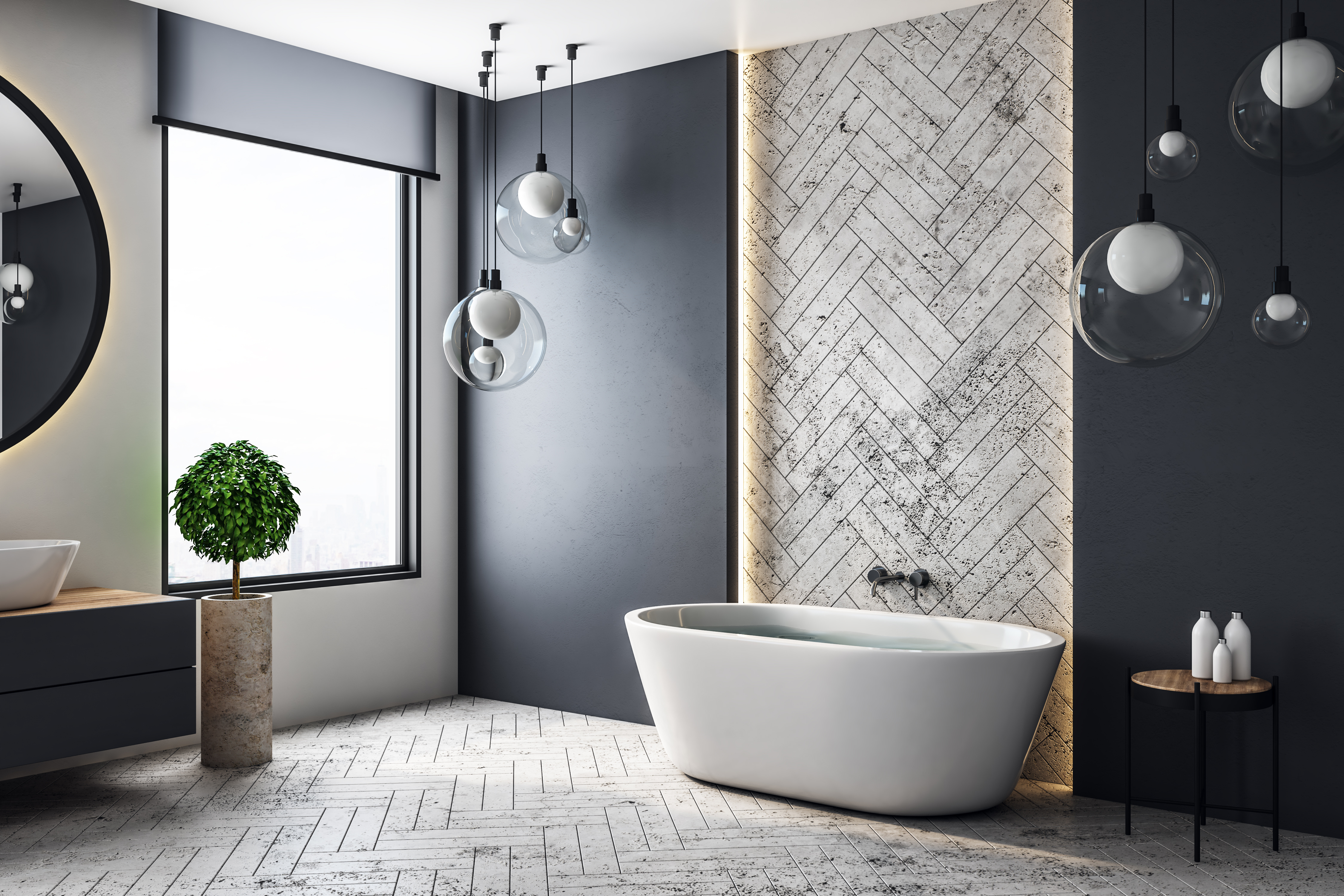
Clean tile floors with a pH-neutral cleaner and get grit up first. Learn why acids and oil soaps damage stone and grout, plus how care differs by tile.
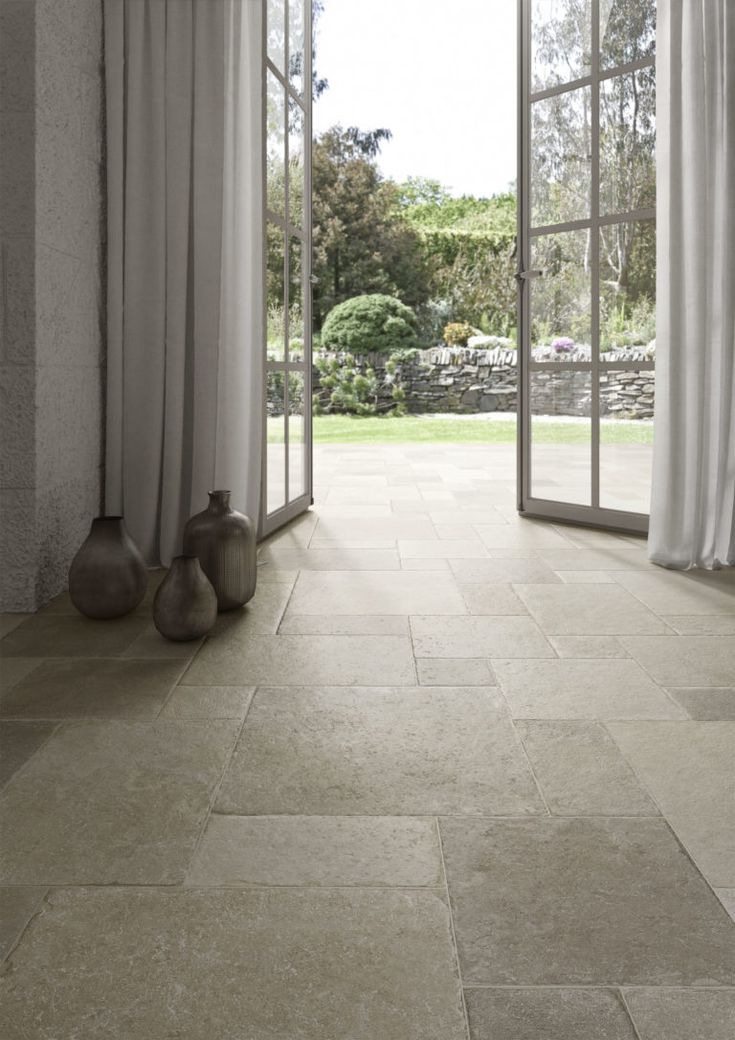
Porcelain is impervious at 0.5% water absorption and needs no sealing; natural stone offers real character but more upkeep. How to choose, room by room.
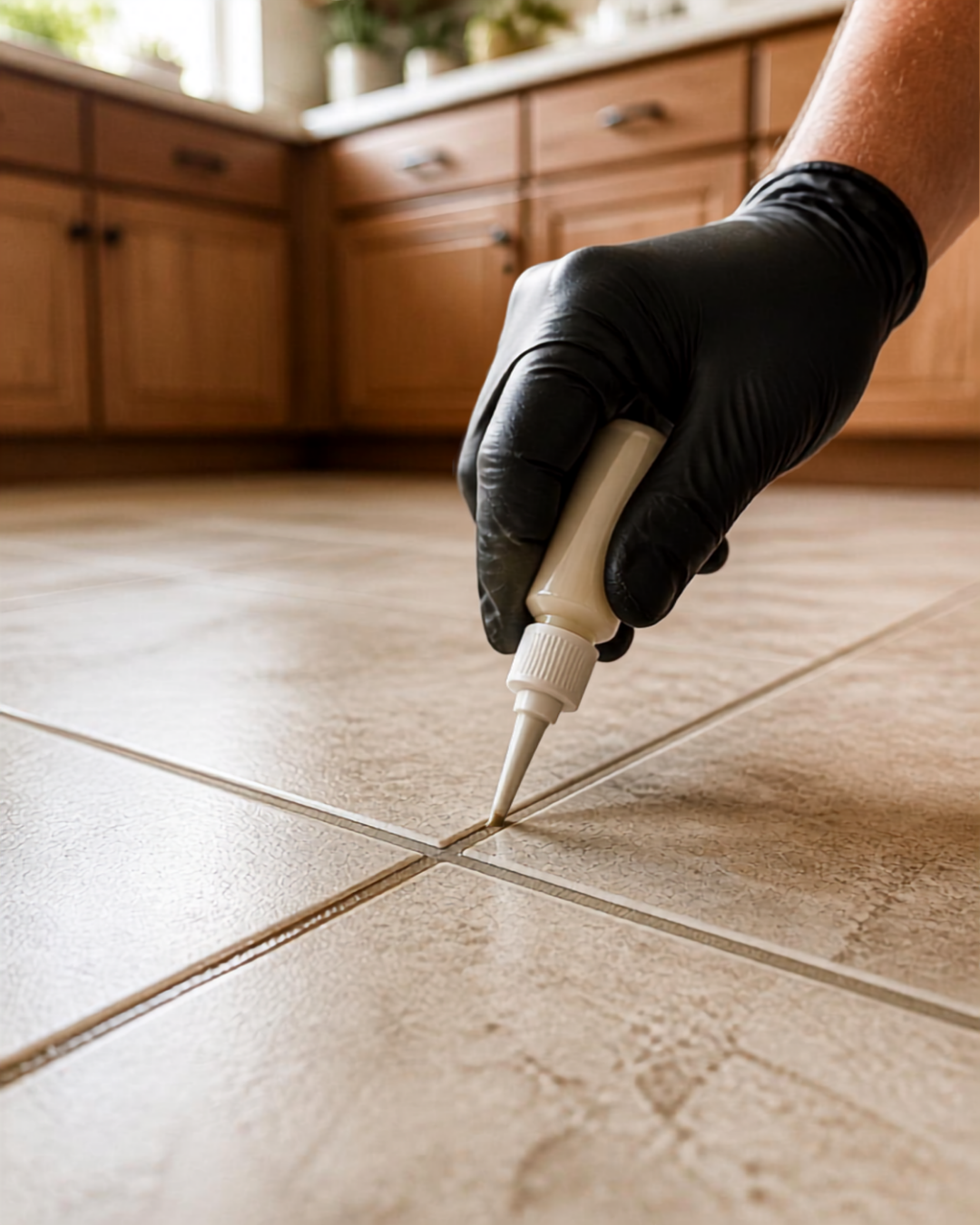
Most glazed porcelain and ceramic tile never needs sealing, but natural stone and cement grout do. See which surfaces to seal and how to test yours.

The best tile for a kitchen floor is porcelain rated PEI 3 or higher, 0.42 wet DCOF near the sink, and grout that resists grease. Here's how to choose.
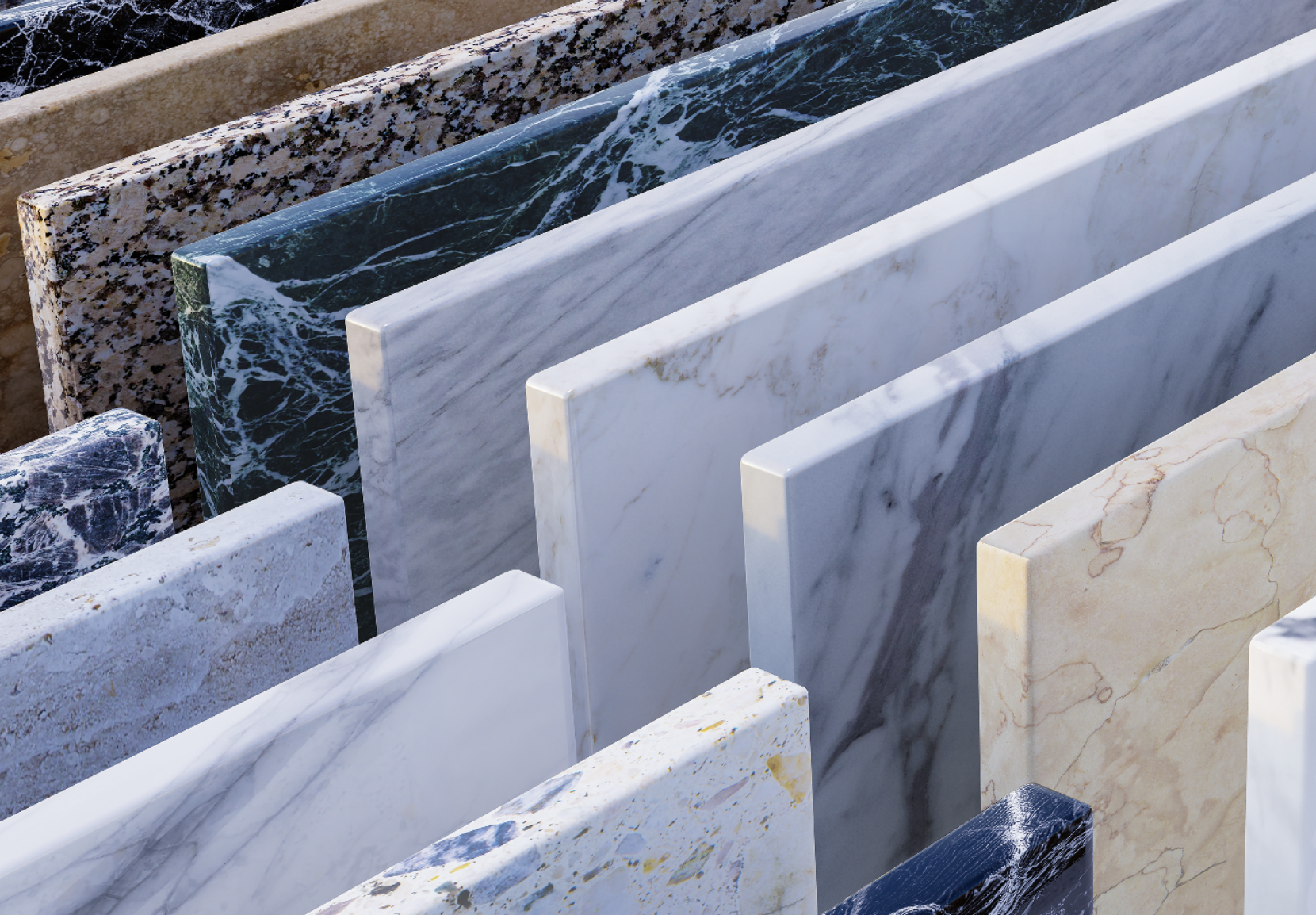
The four ratings on a tile box, decoded: PEI wear class, water absorption, Mohs hardness, and breaking strength, each mapped to the room it belongs in.
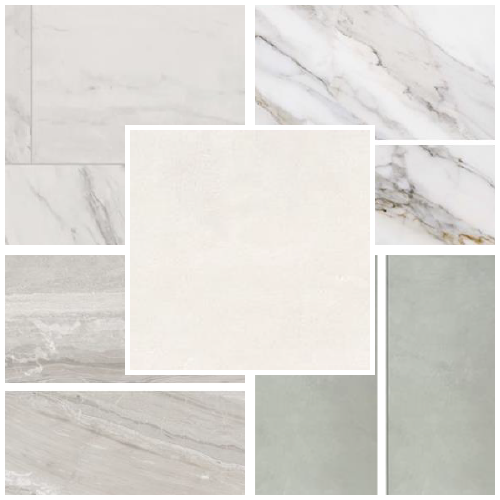
Porcelain absorbs 0.5% water or less; ceramic absorbs more. See how absorption, PEI wear class, breaking strength, and slip decide which tile fits each room.

